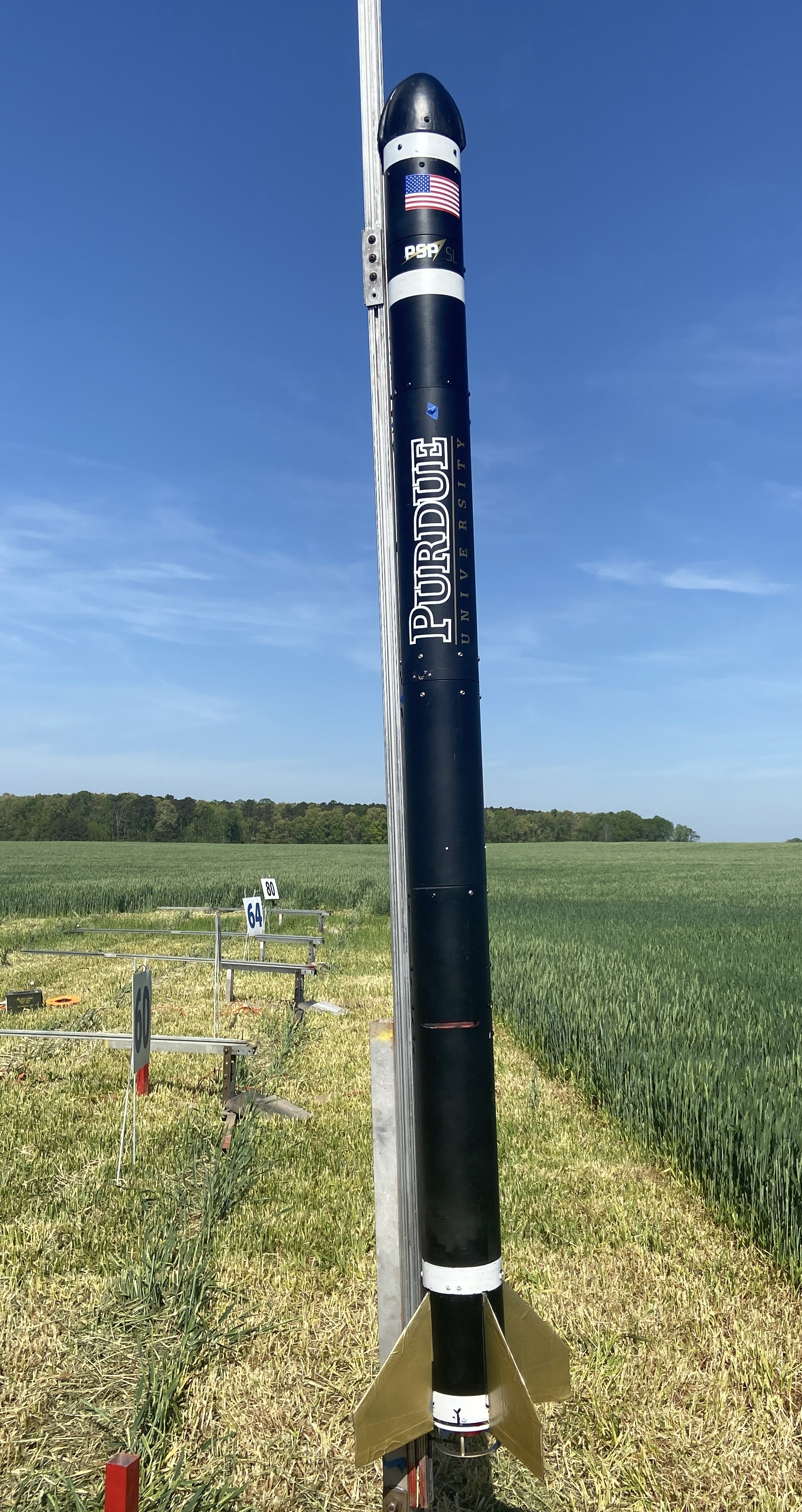
Rocket

NASA Student Launch Competition (2021-2022)

As a member of the Purdue Space Program's club payload subteam, our challenge in the 2021-2022 competition was to locate our landed rocket without using GPS. This posed a difficult problem which we chose to solve using radio triangulation.

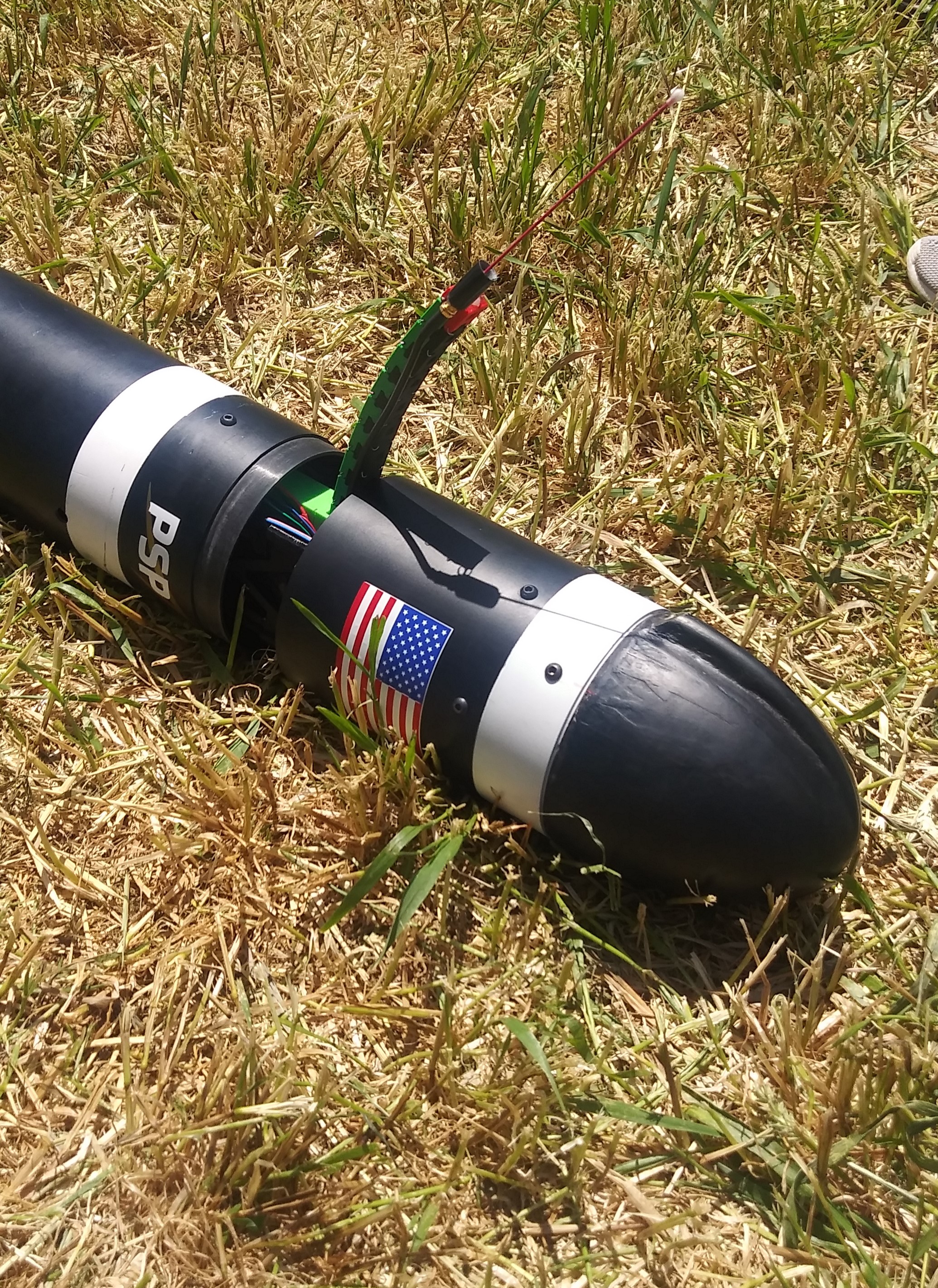
We used 3 radio antenna at our ground control station to communicate with a vertically deployed antenna from the payload bay of the landed rocket. After that was deployed, radio packets were sent between the ground control station and the payload bay to determine its location. Since radio waves travel at the speed of light, that meant roughly every nanosecond that the packet traveled translated to about 1 foot of distance. That challenged us to use highly efficient interrupt-driven code and algorithms. In the end, we weren't able to perfectly triangulate the rocket, but we were able to find it's distance to within about ±50 feet.


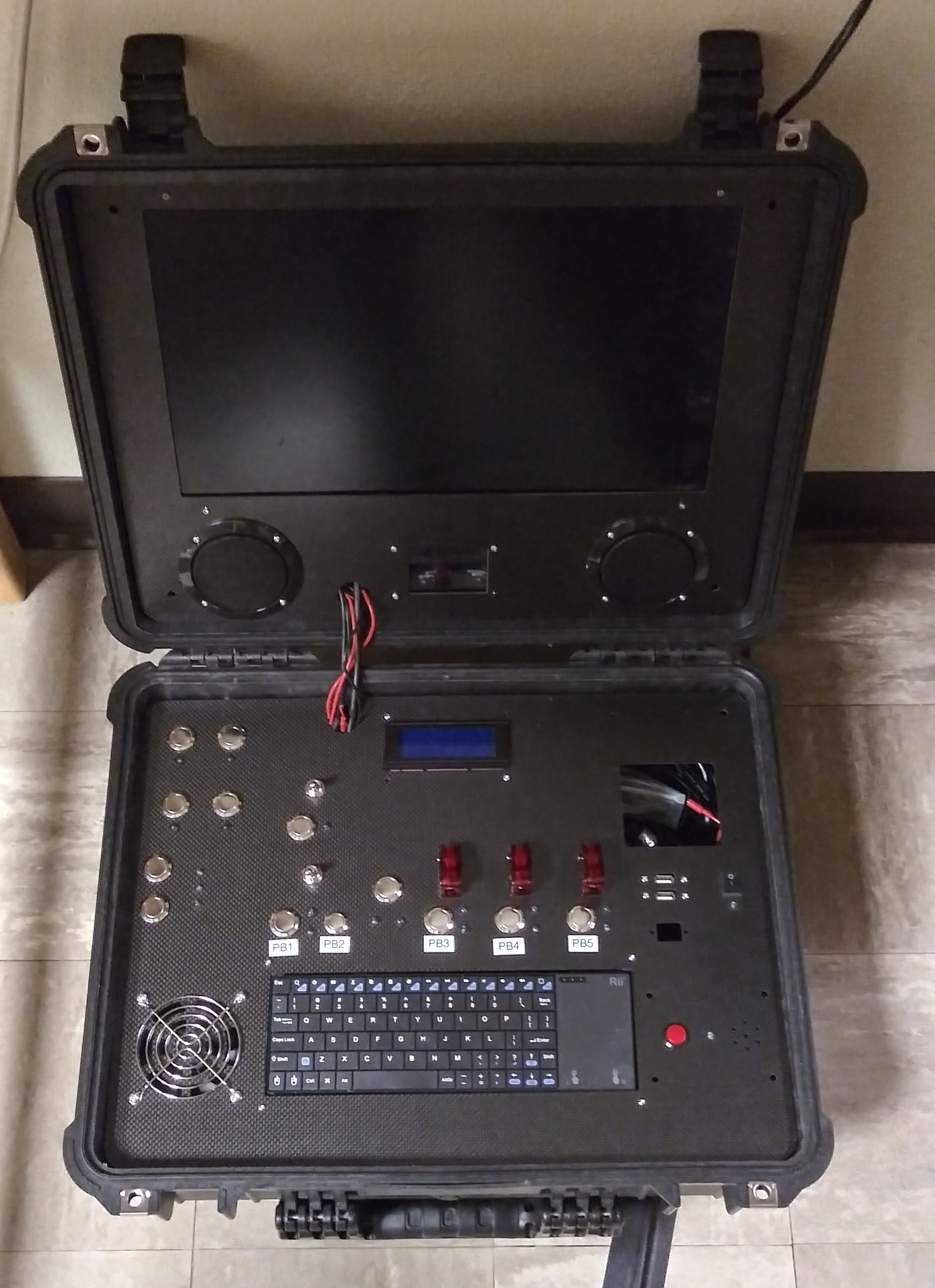
Ground Control Station

The ground control station without the radios

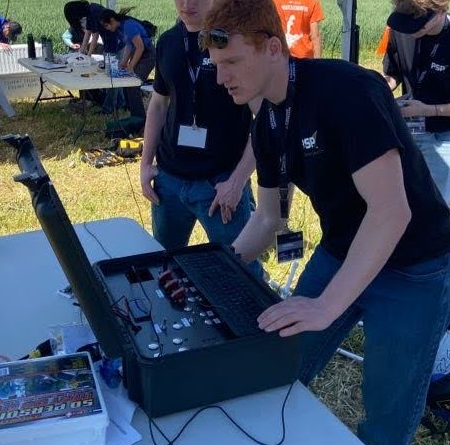
Ground Control Station

Me setting up the ground control station on launch day

Payload Bay With Antenna Extended

The payload bay with the antenna extended

VirtuCards (2021)

For my Software Engineering I class, myself and 5 other members worked together on a semester long project of our choice. Since it was the peak of covid, we decided to create a virtual card game: VirtuCards. That allowed people to play card games with their friends without actually touching physical cards.

This was designed using the Unity game engine to create both a host and client application. The host can support up to 10 other clients and can select between a number of game choices like Uno, Poker, War, and even a freeplay mode. There are a number of features that allow players to customize their experiences like custom backgrounds, player profiles, and an integrated chat system.
Arm Construction

The arm in development

Arm Construction

The arm in development

Robotic Arm II (2019-2020)

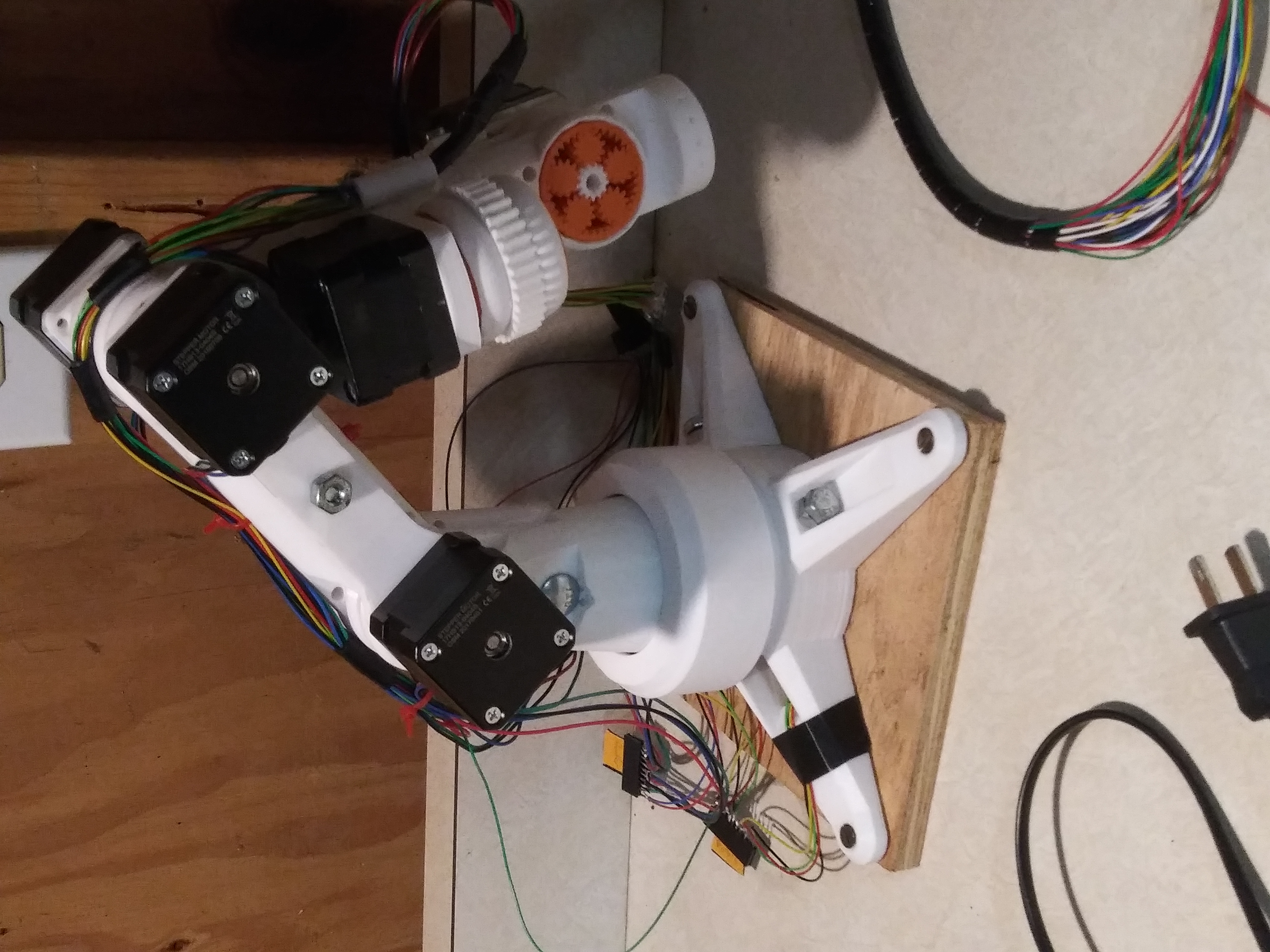
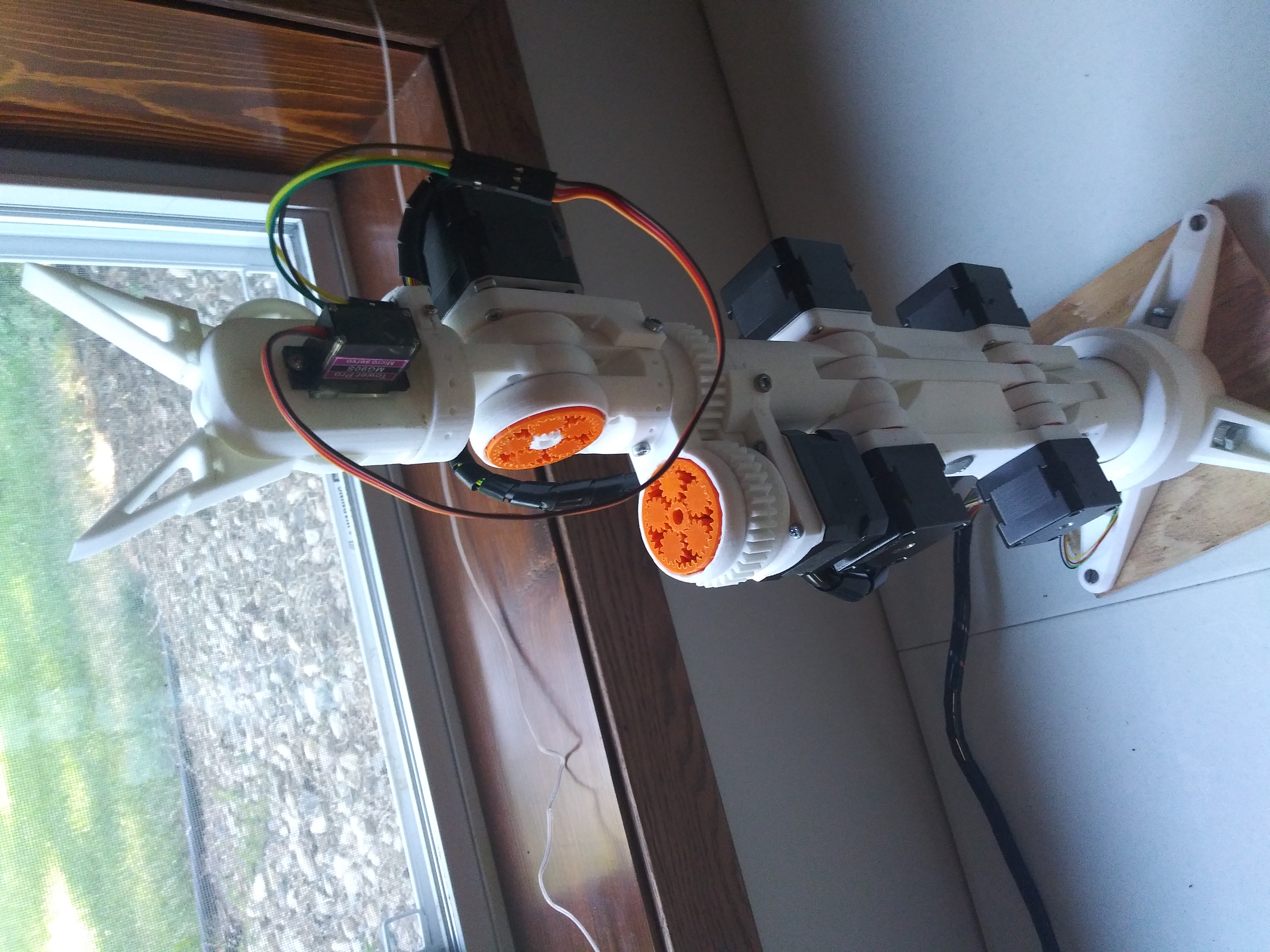
This is one of the first large projects I ever completely finished. After an initial prototype, my brother and I worked together to custom design, build, and program our own robotic arm. After calculating and programming all the kinematics, we were able to achieve ~5 mm of accuraccy when sending it instructions to move.

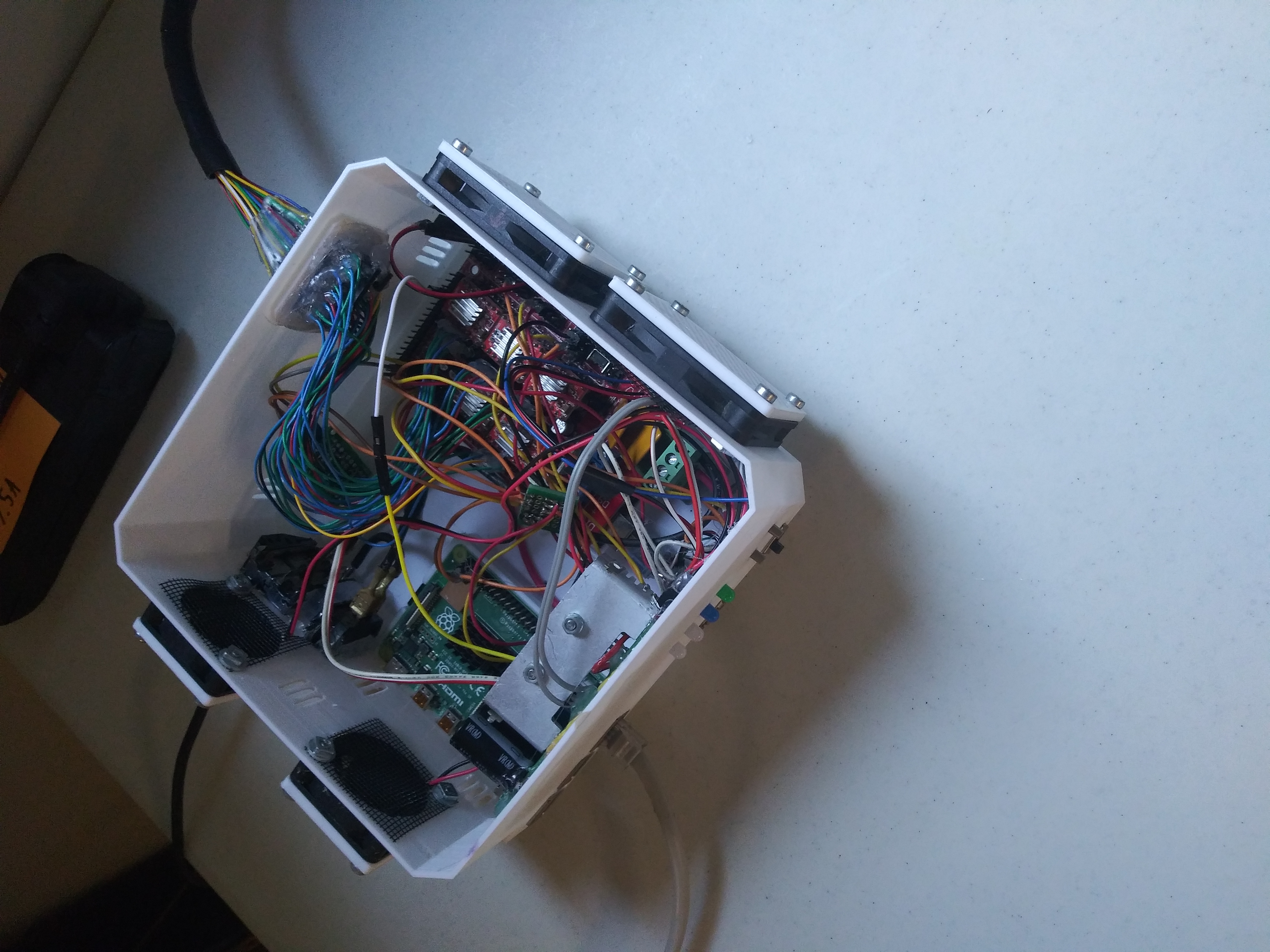
All the mechanical parts are 3D printed and are controlled with stepper motors. They are driven by an Arduino Mega microcontroller and Raspberry Pi working in tandem. The Arduino maintained the control loop, while the Raspberry Pi allowed us to build a React Native application to wirelessly connect to and control the arm.


Arm Construction

The arm in development


A video of the arm moving

Arm Core

The Raspberry Pi & Arduino Core